
Why You Can't Just Pull Publicity Stills Off the 8K Camera
No, and it's not close. A frame pulled from video is shot at the wrong shutter speed for a still, comes off a sensor recording compressed or LOG footage instead of RAW, and is composed by someone who's watching for motion, not a single frame. On a union set it usually isn't allowed either.
That's why productions that already have an 8K camera rolling still hire a photographer for unit stills: the publicity stills, the poster, and the press kit. I've shot unit stills on commercial and TV production sets around Orlando and Atlanta for 20+ years, and "can't we just grab a frame" is one of the first questions I get from a producer looking at the budget.

Why does a frame from video look soft next to a photograph?
A video frame is exposed to keep motion blur. A photograph is exposed to take it out. That's the whole mismatch: motion is usually shot with a shutter speed slow enough to leave blur in the frame, somewhere around 1/50 at 24 to 30 frames per second (FPS). That blur is what makes movement look like movement instead of the flat, too-clear look you get from a TV set on a high frame rate mode, the "soap opera effect" everyone complains about but can't quite name.
A photograph needs the opposite. No blur, or close to it, which means a fast shutter, often 1/250 or faster. Video lighting is built around the slower shutter video needs. It's rarely bright enough to support the faster shutter a sharp still actually requires. Pull a frame out of a moving shot and you're pulling the wrong exposure for the job.
Why can't the camera operator just hand one over?
Because they're not looking for one. The DP / operator are shooting to cover the scene for an editor, following blocking and continuity, framed for a sequence of cuts, not for a single image that has to stand on its own. A unit photographer works a different angle, often between setups or during a beat the A-camera isn't covering, and picks up additional shots the edit will never need but marketing, social, and the like will.
That's also its own job on set. I read the call sheet like everyone else, work around the AD's schedule, and shoot using an electronic shutter during a live take so the mic doesn't pick up a shutter. It's the same setup I ran on a TV commercial campaign for Scotts ProVista in Orlando and West Palm Beach), a separate camera and a separate angle from what the commercial itself was shooting.
Does resolution actually make the difference people assume it does?
Some of it, yes, but not the way most people think. A typical production now delivers video at 4K. My own camera shoots 8K, twice the linear resolution, and every frame is a RAW file, not something pulled after the fact out of a compressed codec. Blow up a 4K video frame to one-sheet or key art size and the motion blur that reads fine at 24 FPS turns into a soft, unusable mush.
RAW versus LOG matters just as much as the pixel count. LOG is a flat, deliberately desaturated recording profile built to hold onto dynamic range so an editor can color grade it later, as one shot in a sequence. When color grading, you are stacking adjustment on top of the file. With a RAW stills file you’re editing the 1s & 0s that make up the file. In plain terms: a RAW file can take a hard push in editing and hold together. A LOG frame is processing stacked on processing, so it falls apart faster.
I shoot compressed RAW, roughly 40 to 50% smaller than a standard RAW file, and I've never been able to see a quality difference between the two, even side by side at 100%. File size has never been the limiting factor. What I actually deliver depends on the shot list and how many setups we get through, but it's rarely fewer than 75 finished images, all coming off that same 8K RAW file, not extracted from anyone's video. That was the same file pipeline on the Scotts ProVista campaign shot on a sod farm in Arcadia, Florida.
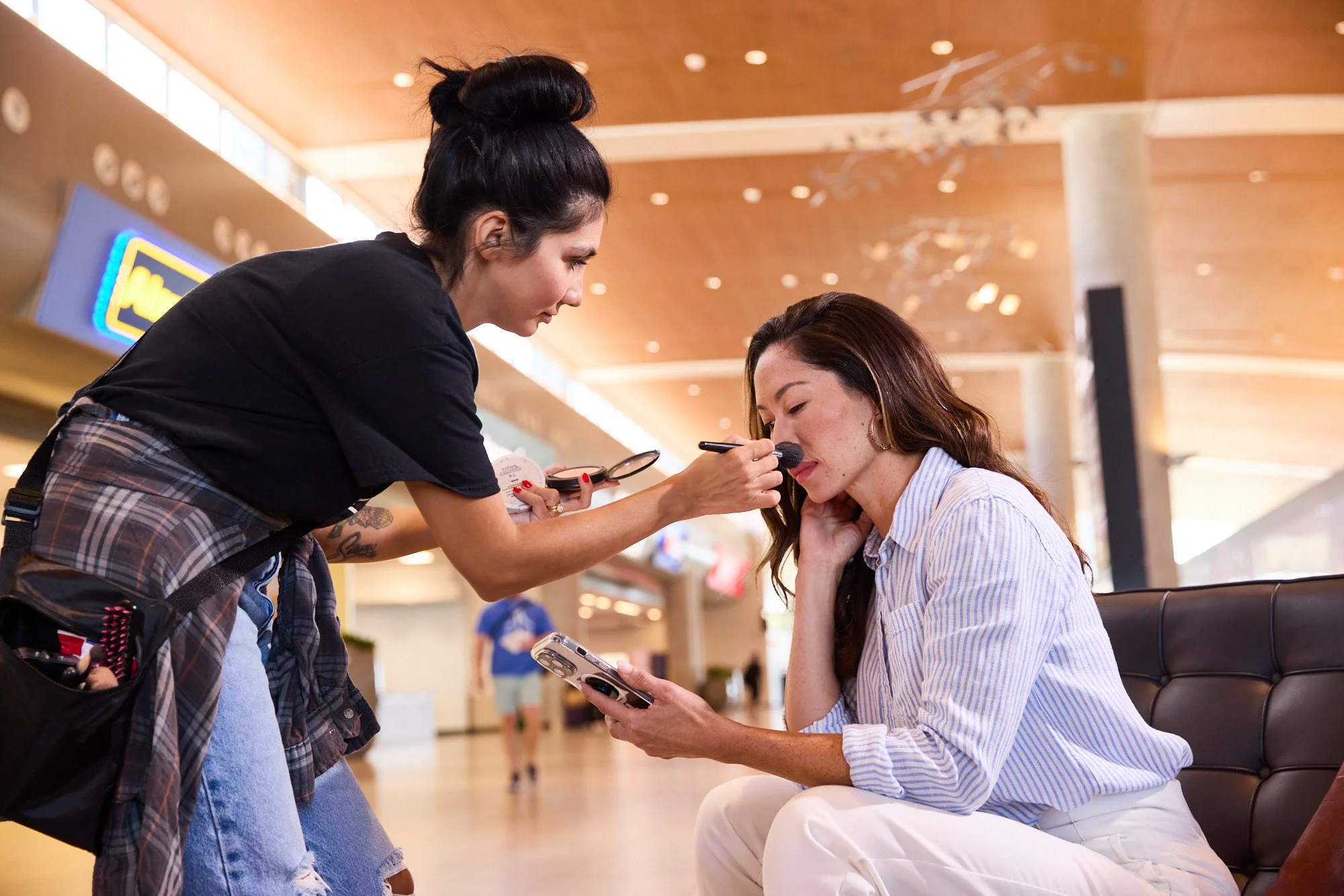
Is a unit stills photographer actually required on a union set?
Sometimes, by rule, not just by preference. IATSE Local 600 lists Still Photographer as its own classification in the camera department, separate from operator or DP, and its Setiquette guide states plainly that "operation of all still cameras used for the purpose of performing work covered by this agreement shall be performed exclusively by Still Photographers."
That rule isn't universal. It doesn't carry the same weight on made-for-TV long-form productions, and the commercial production agreement, the one that covers most of my own work, doesn't list a separate Still Photographer classification at all. I'm non-union myself, mostly shooting commercial productions. If you're staffing a union show, check the agreement your production is signed to before assuming either way.
Florida being a right-to-work state doesn't change any of this. Right-to-work only means a worker can't be forced to join the union or pay dues to take the job. It doesn't excuse a signatory production from the agreement itself. IATSE Local 477, the union local covering film and TV production here, puts it plainly: everyone working under a collective bargaining agreement on a Florida production is subject to its terms, member or not. If your production is signed to Local 600, the still-photographer classification still applies, right-to-work or not.
Is a frame grab ever good enough?
Sometimes. A tabletop shot or a product with little to no motion can survive a frame pull better than a person mid-scene. But even there, you're editing a LOG frame instead of a RAW file, and that's a meaningfully worse starting point. I'll get a better result off RAW every time, on a tabletop shot or anything else. If the deliverable is a real print piece, key art, or anything that has to hold up at size, it’ll matter.
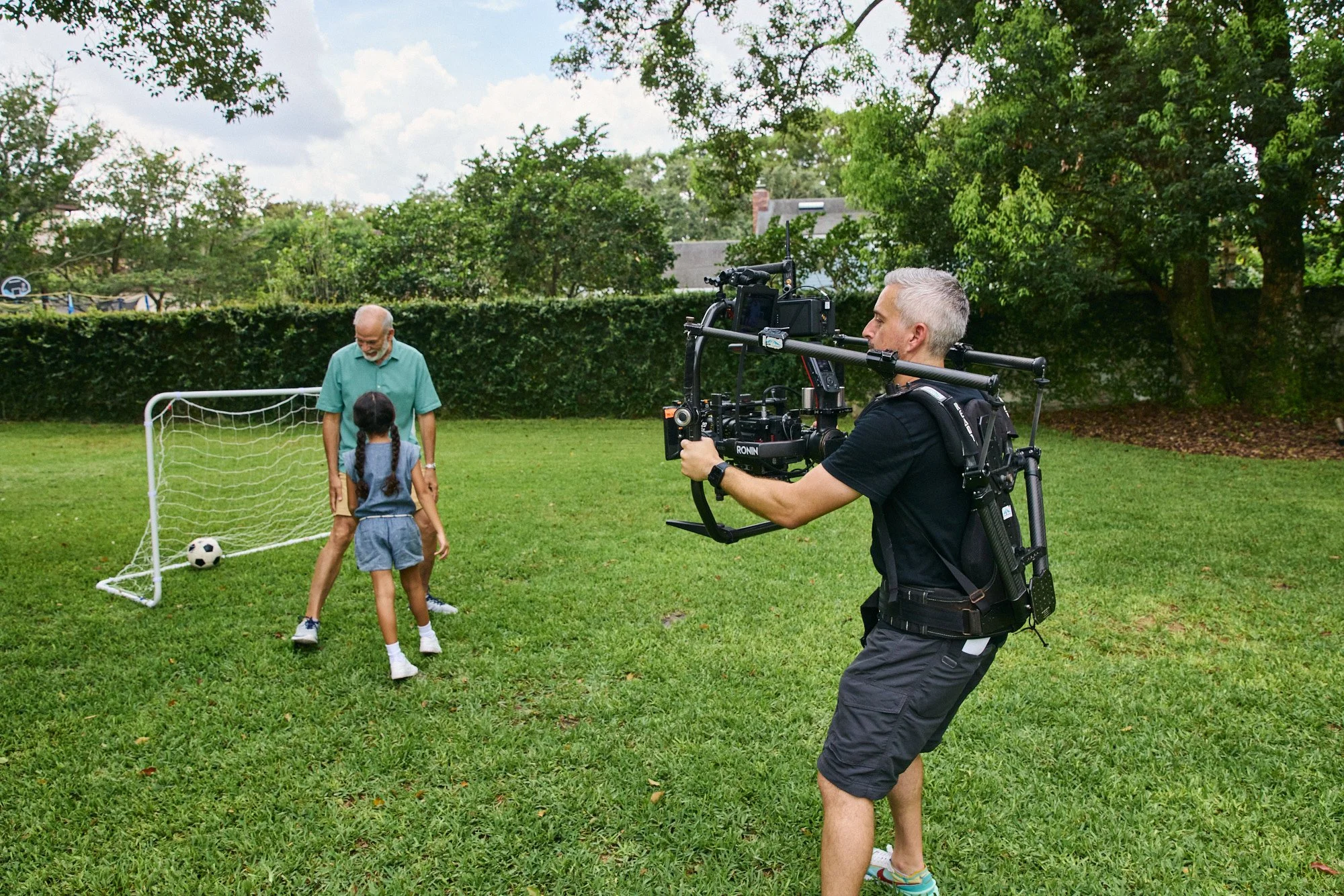
Some productions want both stills and video handled by one crew instead of splitting the day, which is its own version of this question. I ran it that way on a staycation shoot for Experience Kissimmee, one crew covering unit stills and motion on the same days, with the stills being shot on a dedicated stills camera rather than pulled from the video.
Common questions
Can I just pull a frame from the video instead of hiring a unit stills photographer?
Usually no. The shutter speed, the file format, and the framing are all built for motion, not a single still image, and on a union set the still camera work is often reserved for a Still Photographer classification specifically.
What shutter speed does video actually use, and why does that matter for stills?
Motion is typically shot around 1/50 of a second (24 FPS) to keep natural blur in the frame. A still needs the opposite, usually 1/250 or faster, to freeze the moment instead of blurring it.
Is a unit stills photographer required by union rules?
On a Local 600 production, yes, still camera work is its own classification. That requirement doesn't carry over to made-for-TV long-form work or to the commercial production agreement most of my own jobs fall under.
How many finished images does a unit stills photographer deliver in a day?
On my own set days it's rarely fewer than 75, depending on the shot list and how many setups the day has, all shot RAW rather than pulled from video.
Is a frame grab ever acceptable?
On something with little to no motion, like a tabletop or product shot, it can hold up better than a scene with a person in it. It's still coming from a worse starting file than RAW, and that shows the moment the deliverable needs to be printed large.
Final Thought
An 4K camera on set doesn't make a unit stills photographer optional. The shutter speed is still wrong, the file is still LOG or compressed instead of RAW, and nobody behind the A-camera is composing for a single frame. If directing is also on the table for your production, that's work I take on too, stills and motion, one crew, one call. Have a shoot day coming up and want to talk through what stills coverage actually needs? Email me and let's chat.