Gill - Making a Short Film - pt. II

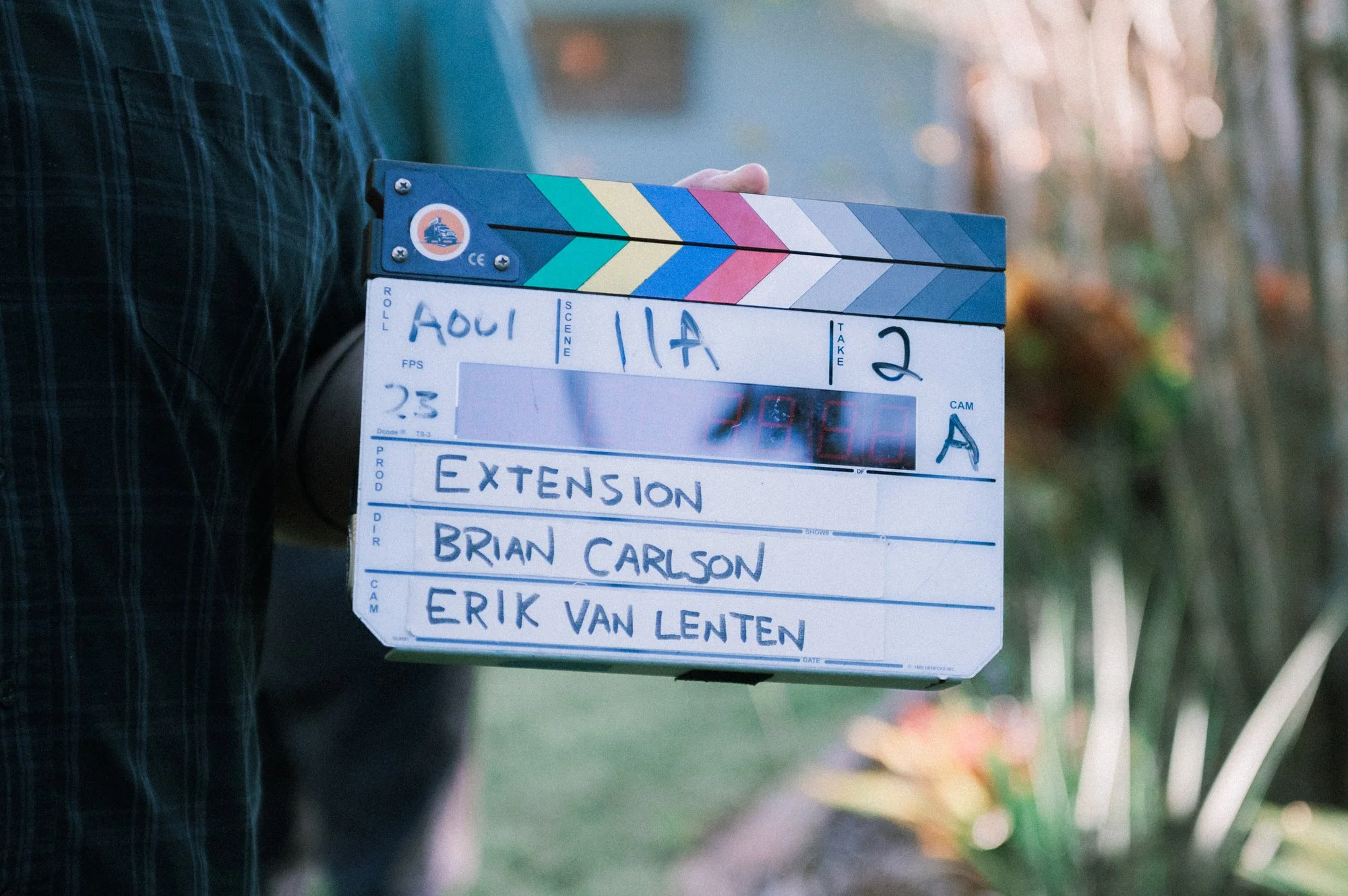
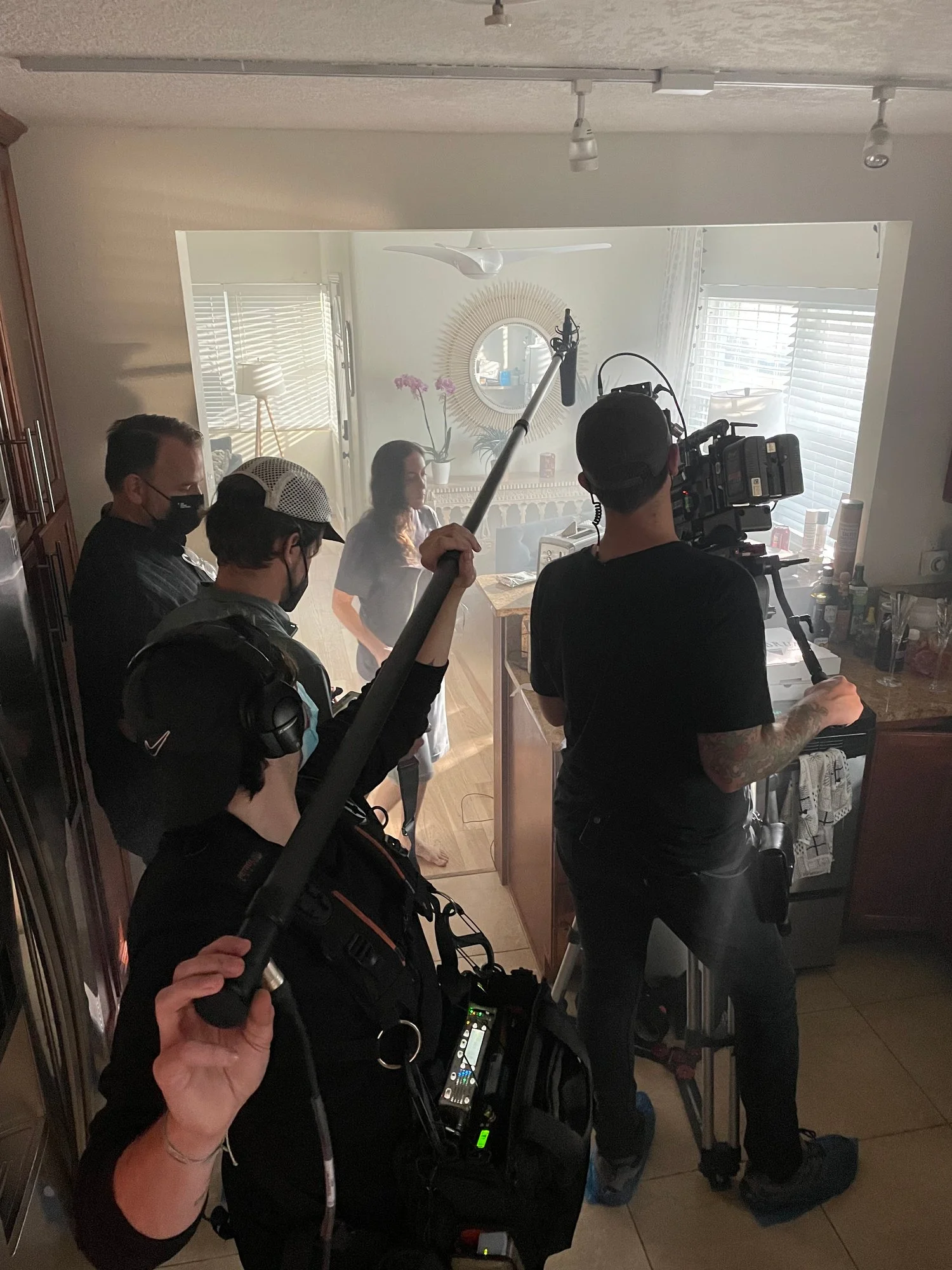
Ahh…the shoot. Where the rubber meets the road. Where the sauce gets poured on the enchilada. Where the chicken crosses the road.
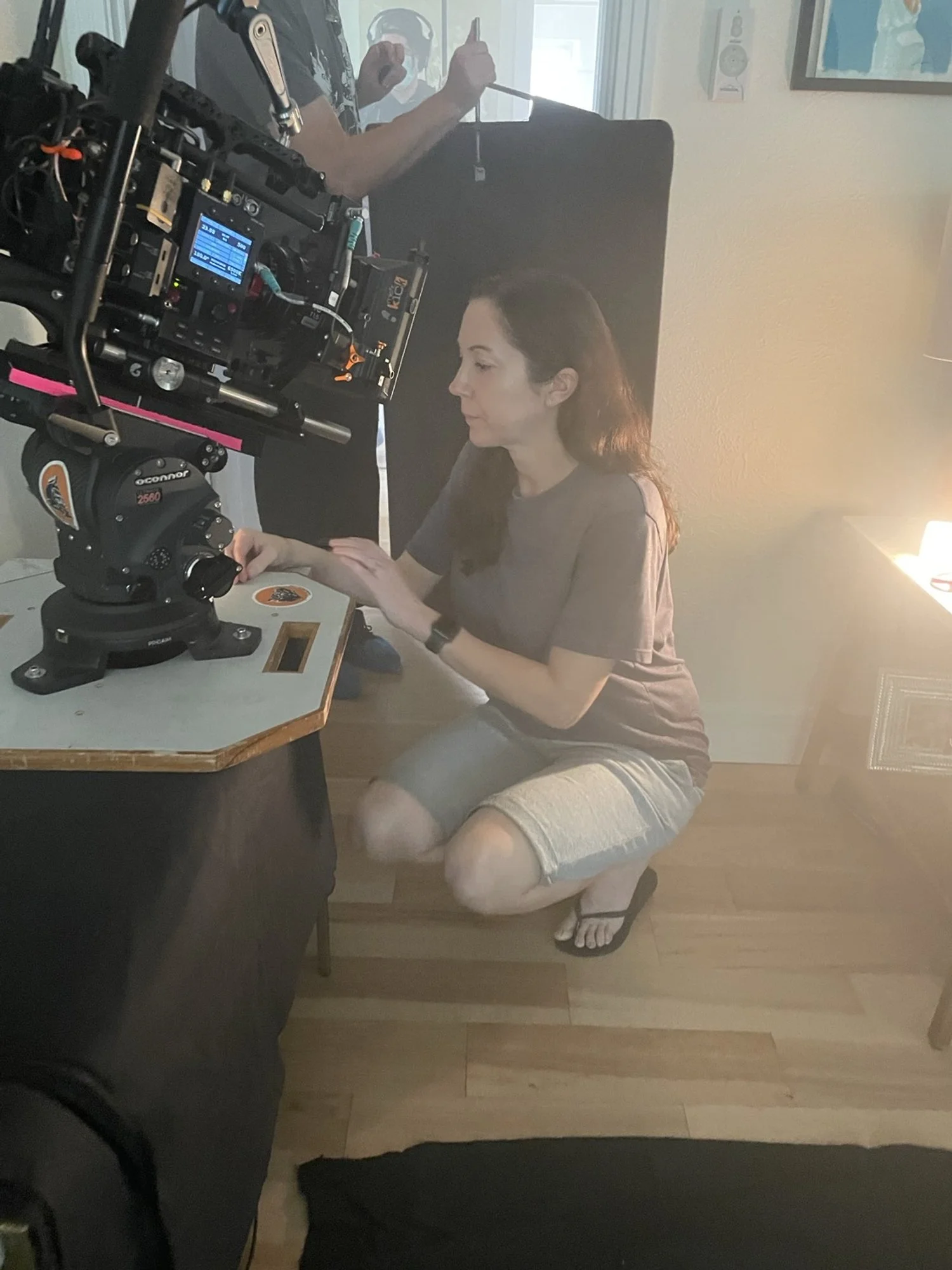
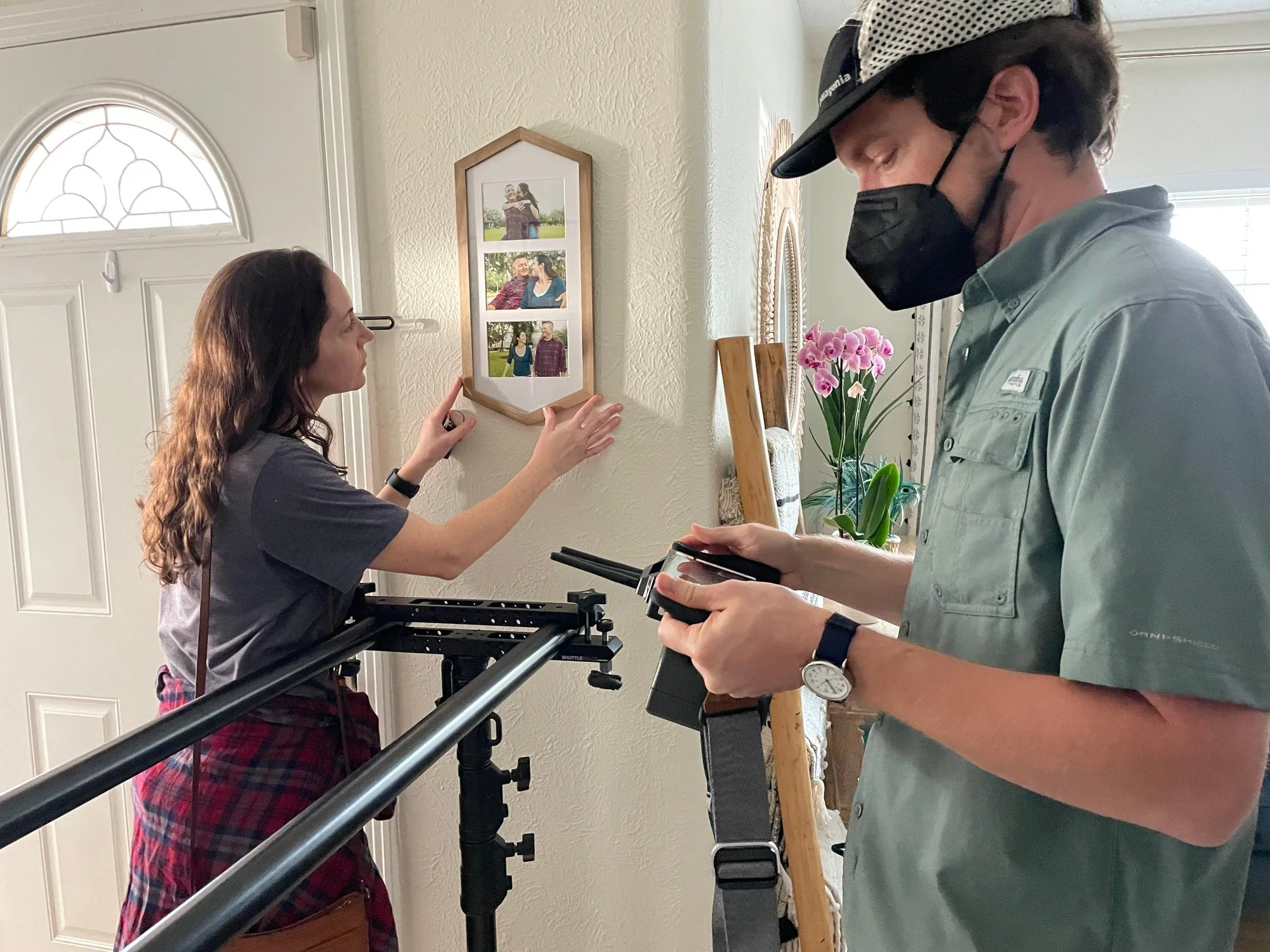
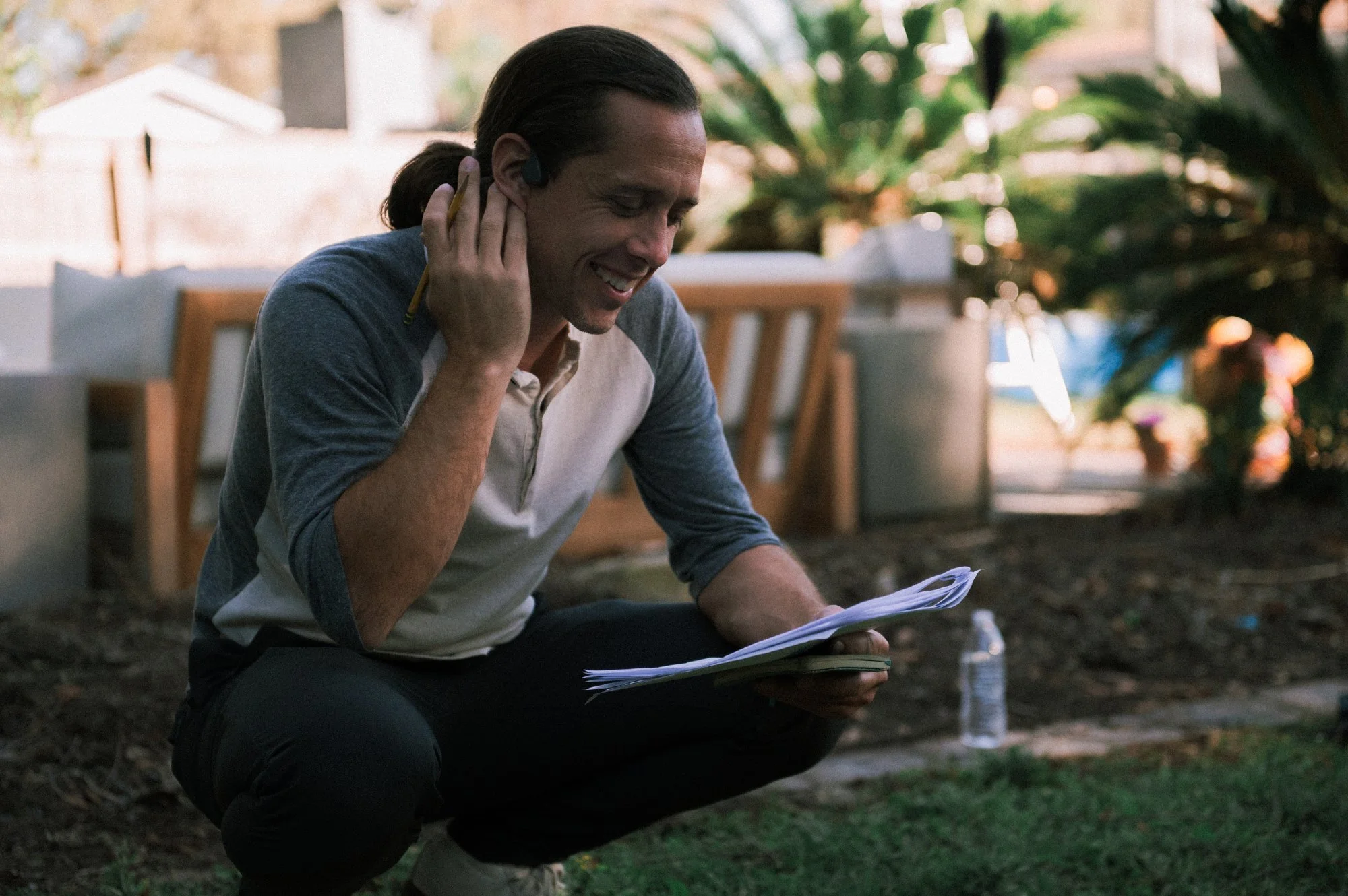
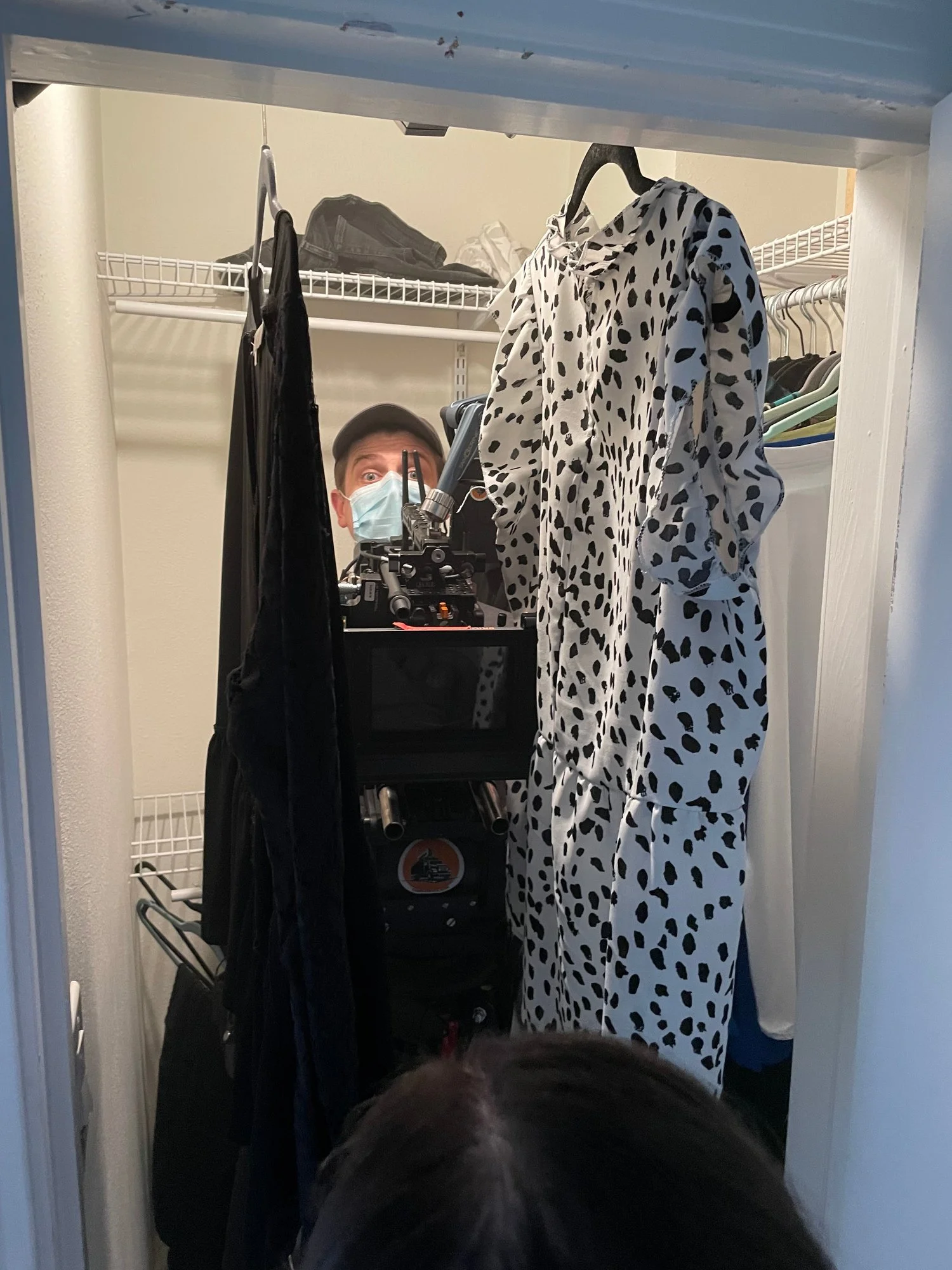
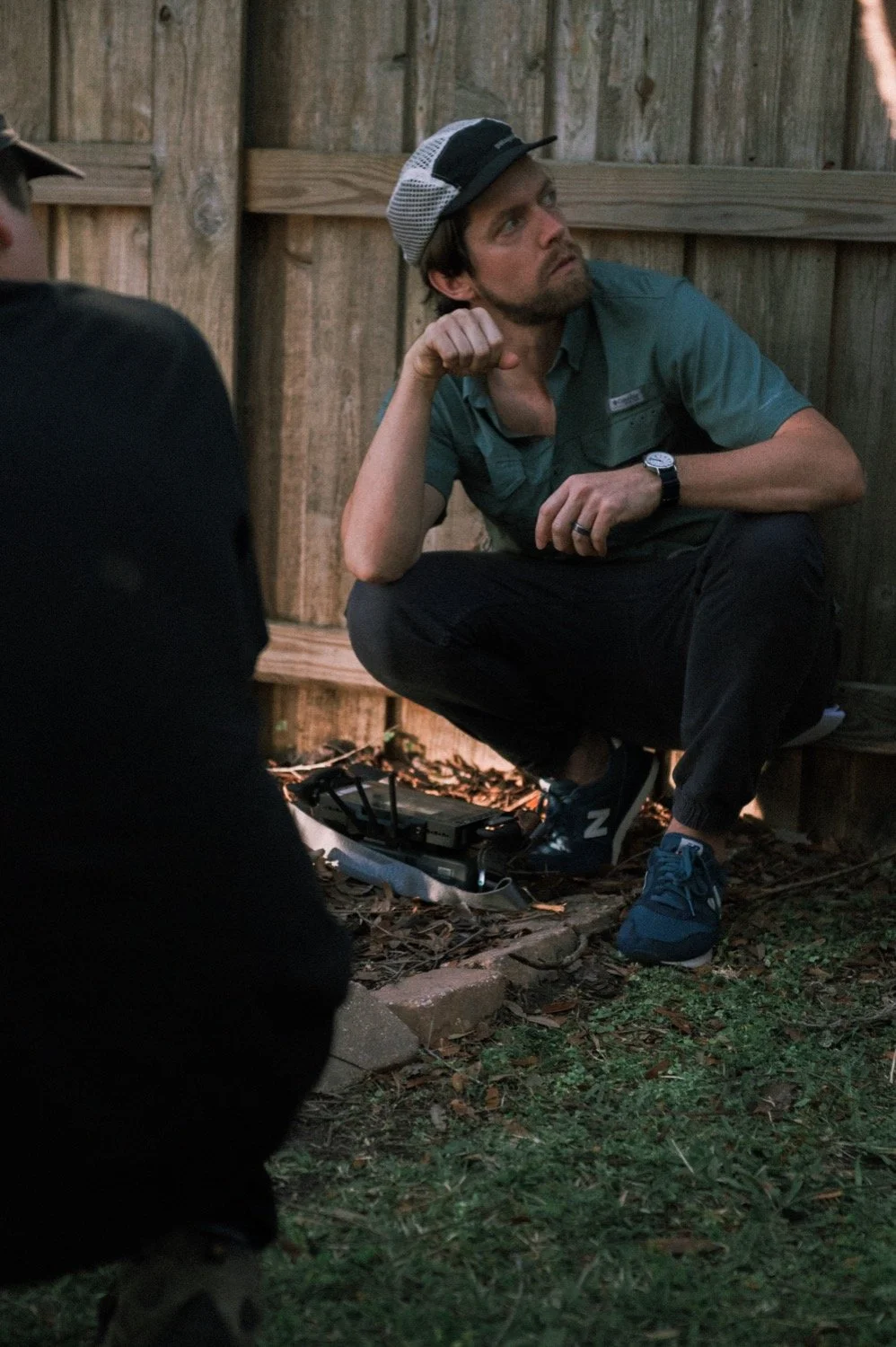
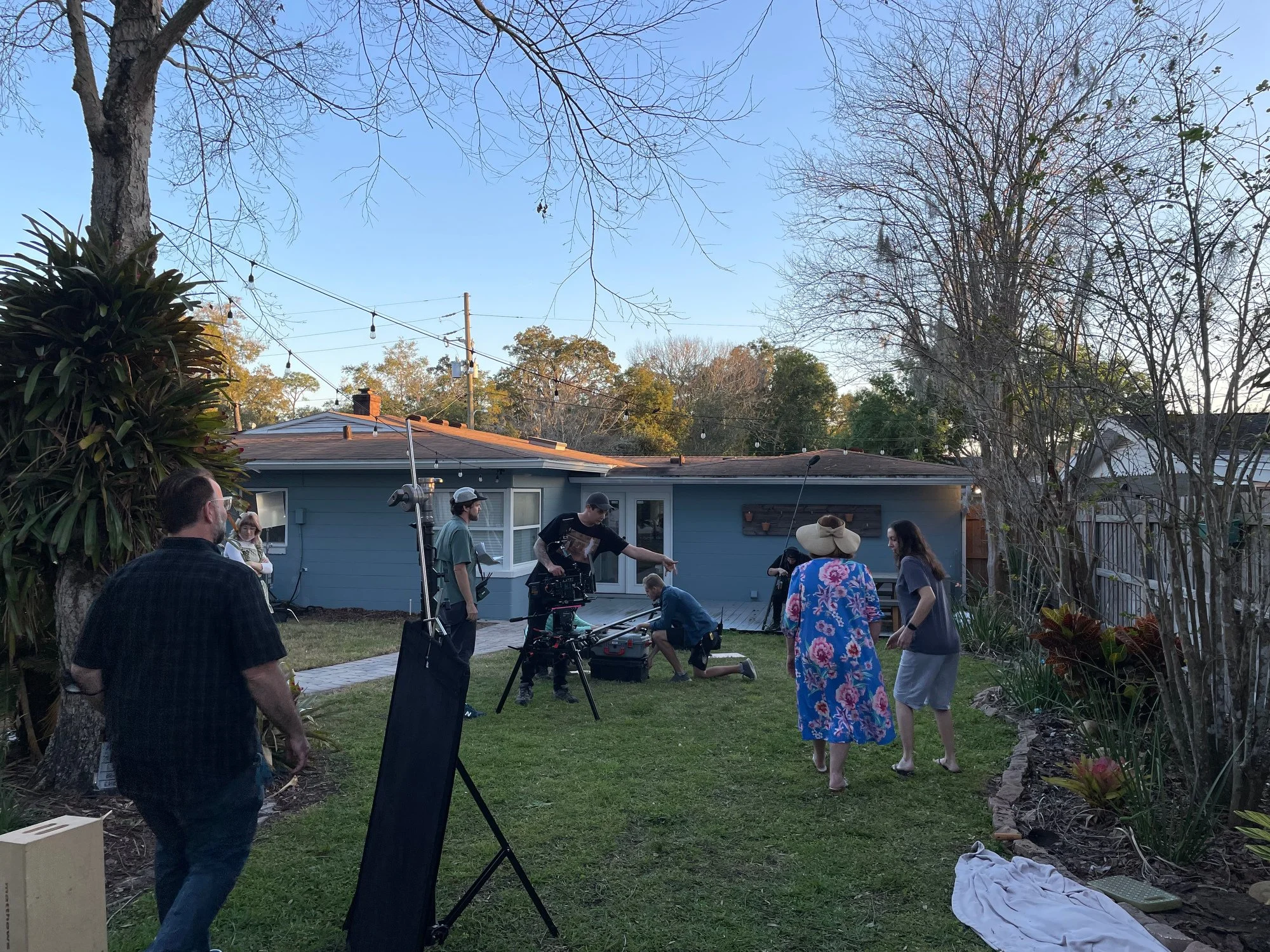
Shout out to Olivia Wukash for a boat load of the on-set images.
When approaching this film I had 2 things at the forefront of my mind. Firstly, there’s a famous adage in the film industry: A film is born three times. First in the writing of the script, once again in the shooting, and finally in the editing. I found this incredibly helpful and liberating. Because the film I envisioned was completely different than the one we shot. And the edited verison was entirely different from the two films we made prior (in pre-pro & during the shoot). The story lives and breathes. It changes and takes on new life. It sounds all meta and artsy, I know, but you go make a film and find out for yourself. But why is that liberating? Because it frees you up to be in the moment. Sure, there are directors out there like David Fincher and Wes Anderson who create highly stylized films that probably adhere very closely to their original vision. But I’m sure even they’ve got to adapt. And that’s the kind of filmmaker I want to be, an adaptable one. While I’m touching on the subject of adaptability let me share a few things Ron Howard says that I found insightful and helped shape the way I direct. In essence, he makes sure to listen to the ideas of everyone but stays true to himself and the story. Films aren’t made through committee—so take into account the comments and ideas coming at you but run them through your filter. If someone has a great idea and it serves the story then don’t be afraid to use it, but make sure you know the heart of the story. This serves two purposes: it builds camaraderie on set and helps build a great product.
Before the first shot I had a short meeting to thank everyone and to say how important a story about mental health is to me. I wanted to set the tone for the film. I wanted everyone to understand this was personal and that it had gravity, so let’s have fun but keep this in mind (which I think is key for the actors).
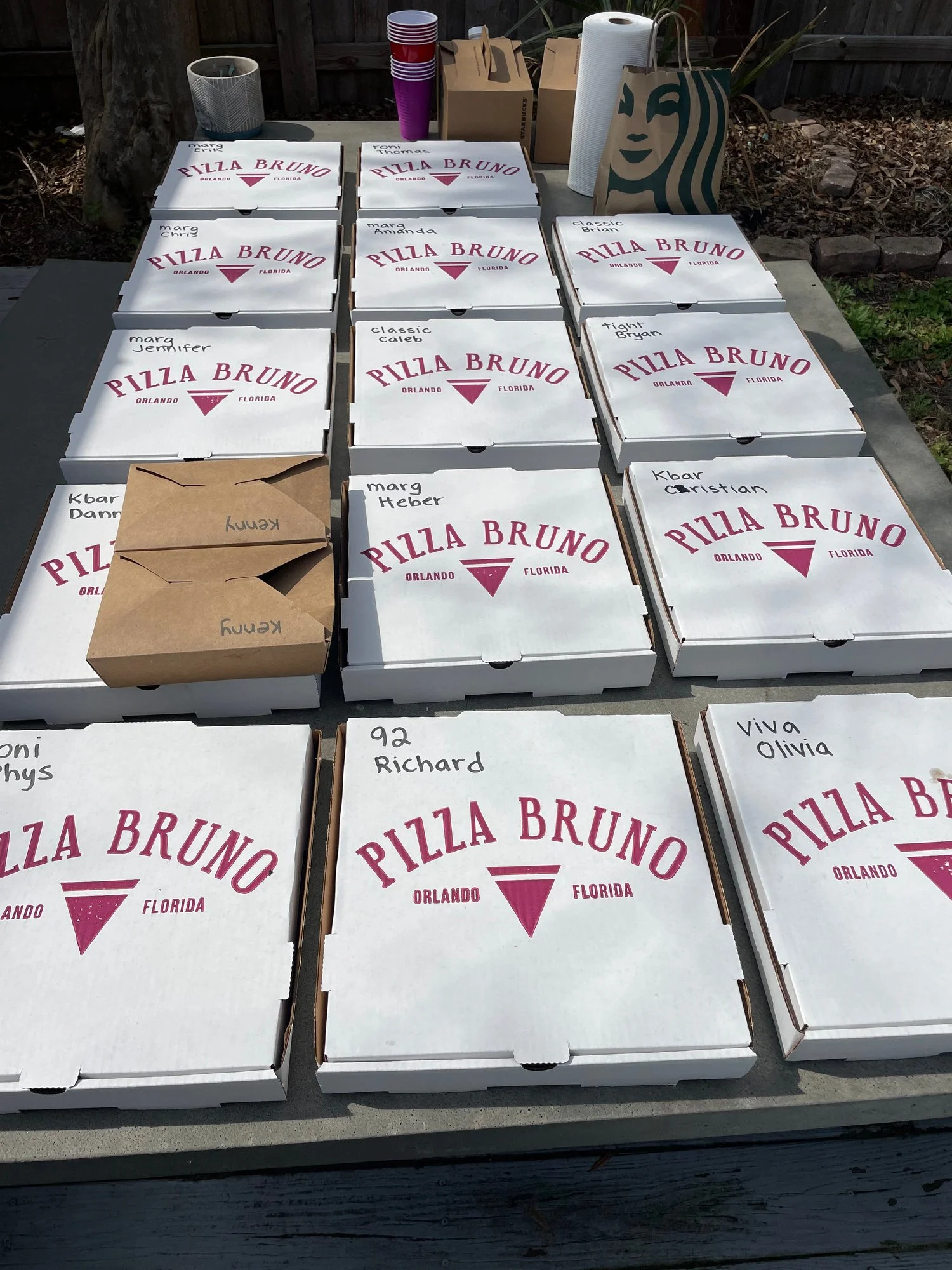
Thankfully the producer’s house was a perfect location in that it was laid out in a way that it made filming and blocking natural (plus it was free!). Though filming didn’t come without difficulties. We had to shoot a scene again due to continuity (which Kenny Beaumont, the 1st AD, handled like a champ) and we had to creatively figure out a way to show Margarette early in the film.
We also had some happy and unexpected surprises. I wanted a shot from inside the toilet so the audience could experience a bit of levity amongst all the sadness. Bryan Pederson, our excellent gaffer, rigged up the shot in minutes. But after looking at it I had the sense that something was amiss. I wanted the viewer to feel like they were underwater (clean water, not yellow water). I felt that would be more realistic and humorous. But how to do this quickly and on a budget? Fill a glass baking dish with an inch of water and place it over the lens (with the gracious permission of Rhys, the 1st AC and provider of the camera)!
I had a lot of things swirling around my head while shooting. There were many important things to capture. There are some spoilers ahead, so if you haven’t seen the film, go check it out _________. One of those things was I didn’t want the bathroom to be seen until the moment Sally enters it. I wanted what she was doing with the toaster to catch the viewer off guard. Another element was the human connection at the end, where Sally helps Margarette up. I think an important part of this film is the idea that we all need each other, that in that moment Sally and Margarette are interdependent. Maybe Margarette really wants to connect with her neighbor. Maybe she struggles with her mobility and needs a hand moving around. And Sally needs Margarette to help lift her from despair.
Be sure to check out Pt. III where I talk about the post process.